Probability is a fundamental mathematical concept that directly shapes how we navigate uncertainty and evaluate risks in our daily routines. While many people associate statistical models with complex formulas and academic textbooks, the core logic behind odds is visible all around us. By shifting your perspective, you can easily turn everyday occurrences into interactive lessons that sharpen your decision-making capabilities.
Observing the Mechanics of Weather Forecasts
One of the easiest ways to practice statistical thinking is by analyzing your local morning weather report. When a meteorologist states there is a forty percent chance of rain, it means that under similar historical atmospheric conditions, precipitation occurred forty percent of the time. Tracking these predictions against actual daily outcomes helps you develop an intuitive understanding of statistical frequencies and variations.
Over time, this regular practice prevents common analytical mistakes, such as assuming a low percentage means a complete impossibility. Recognizing the fluid nature of atmospheric datasets allows you to plan outdoor activities with greater accuracy and less emotional frustration. Observing these natural fluctuations establishes a strong baseline for understanding more advanced mathematical systems in the future.
Analyzing Randomness in Modern Digital Games
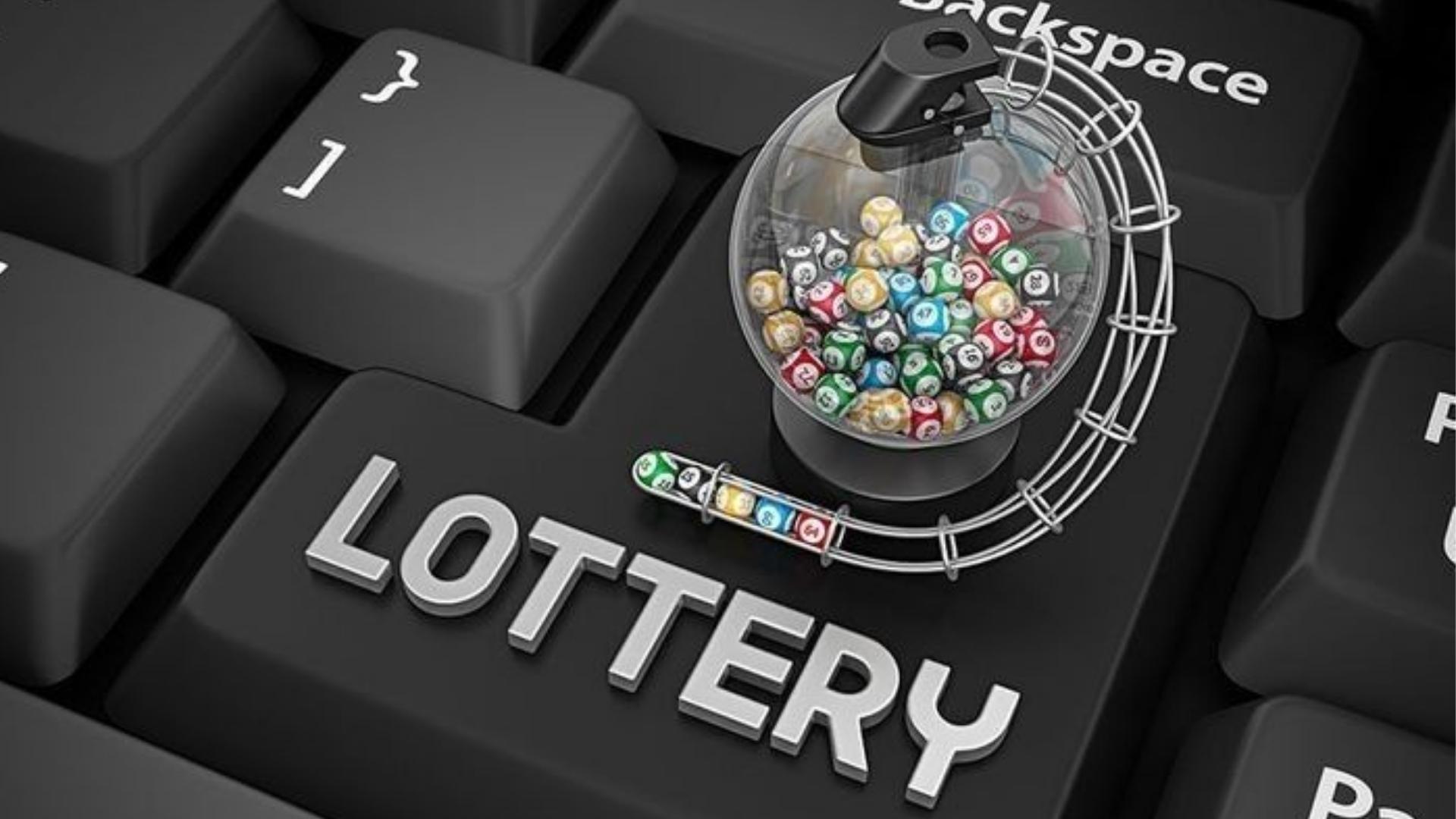
Interactive entertainment provides an exceptional environment for observing how mathematical algorithms generate unpredictable scenarios. Digital applications and traditional tabletop games rely heavily on random distributions to maintain engaging mechanics and ensure absolute fairness for everyone. Studying the frequency of specific drops or card draws allows you to identify structural patterns within an inherently chaotic framework.
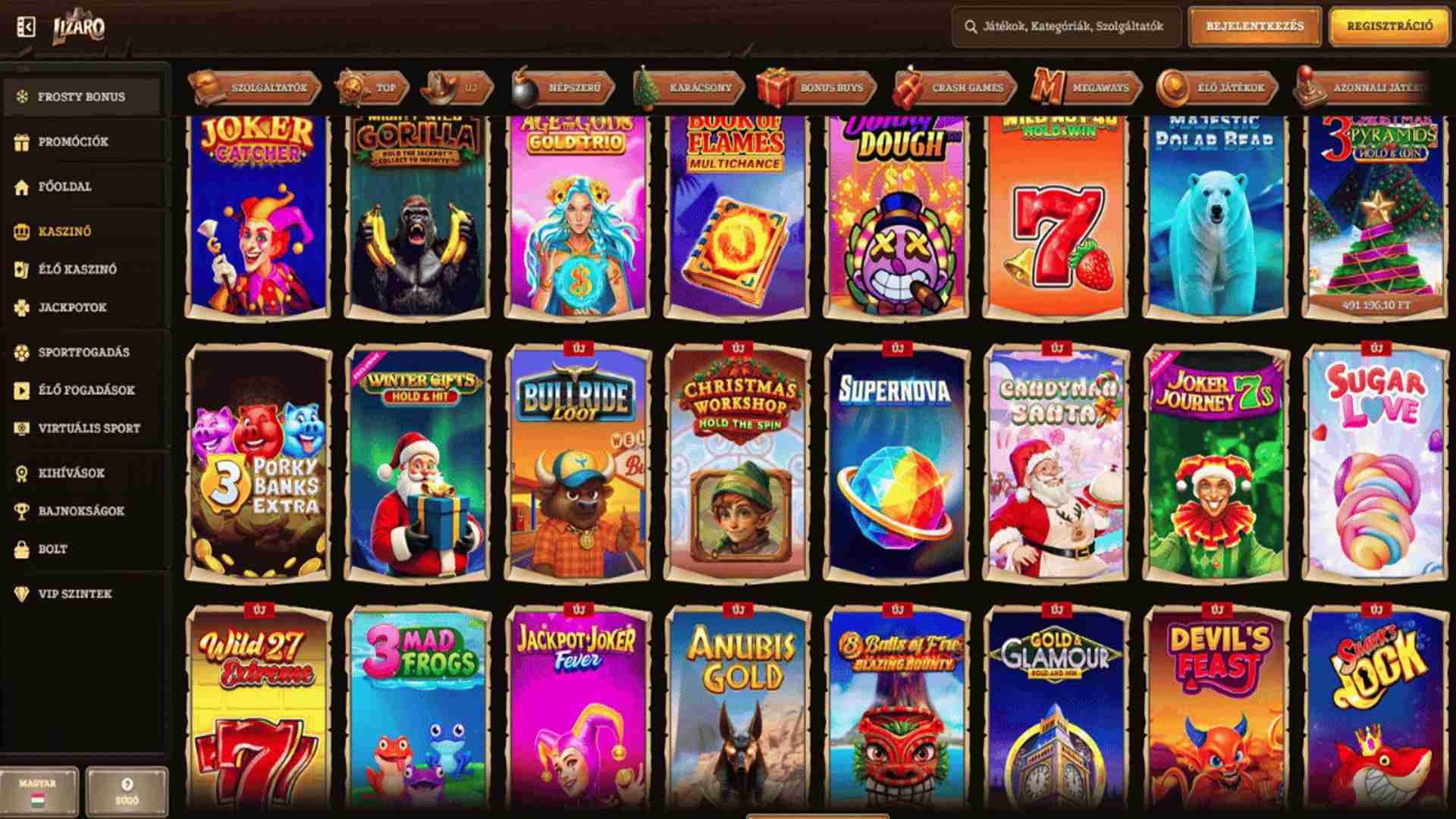
Many popular recreational platforms utilize these exact principles to create highly engaging environments for strategic thinkers globally. For individuals looking to practice these observations, clicking a reliable link like Link M88 offers a direct way to see digital random number generation working in real time. Analyzing these structures transforms casual gameplay into a practical exercise that strengthens your analytical mindset.
Evaluating Risk Management in Financial Choices
Every single day, individuals face complex decisions involving personal budgeting, grocery shopping, and long-term financial investments. Every purchasing choice you make carries a distinct level of hidden cost and potential long-term value. By consciously calculated the ratio between risk and reward, you can optimize your monthly expenditures and avoid unnecessary financial stress.
For instance, choosing whether to purchase an extended warranty requires a basic estimation of the product's likelihood to fail within a specific timeframe. Comparing the small cost of early protection against the massive expense of a complete replacement builds a highly practical understanding of statistical value. This calculated approach ensures that your household decisions are backed by data rather than emotional impulse.
Transforming Routine Habits into Practical Experiments
You can easily practice probability calculations by introducing simple statistical challenges into your domestic habits. Try predicting the exact time your morning commute will take based on traffic historical averages and current road variables. Tracking these minor daily variations teaches your brain to naturally process incomplete data fields and adjust expectations dynamically.
Consistently engaging with these small analytical puzzles builds cognitive flexibility and self-confidence across all age groups. It shows that mastering mathematical chance does not require sitting in a formal classroom or memorizing dense theoretical definitions. With simple observation and steady curiosity, the chaotic events of daily life become structured lessons in logic.