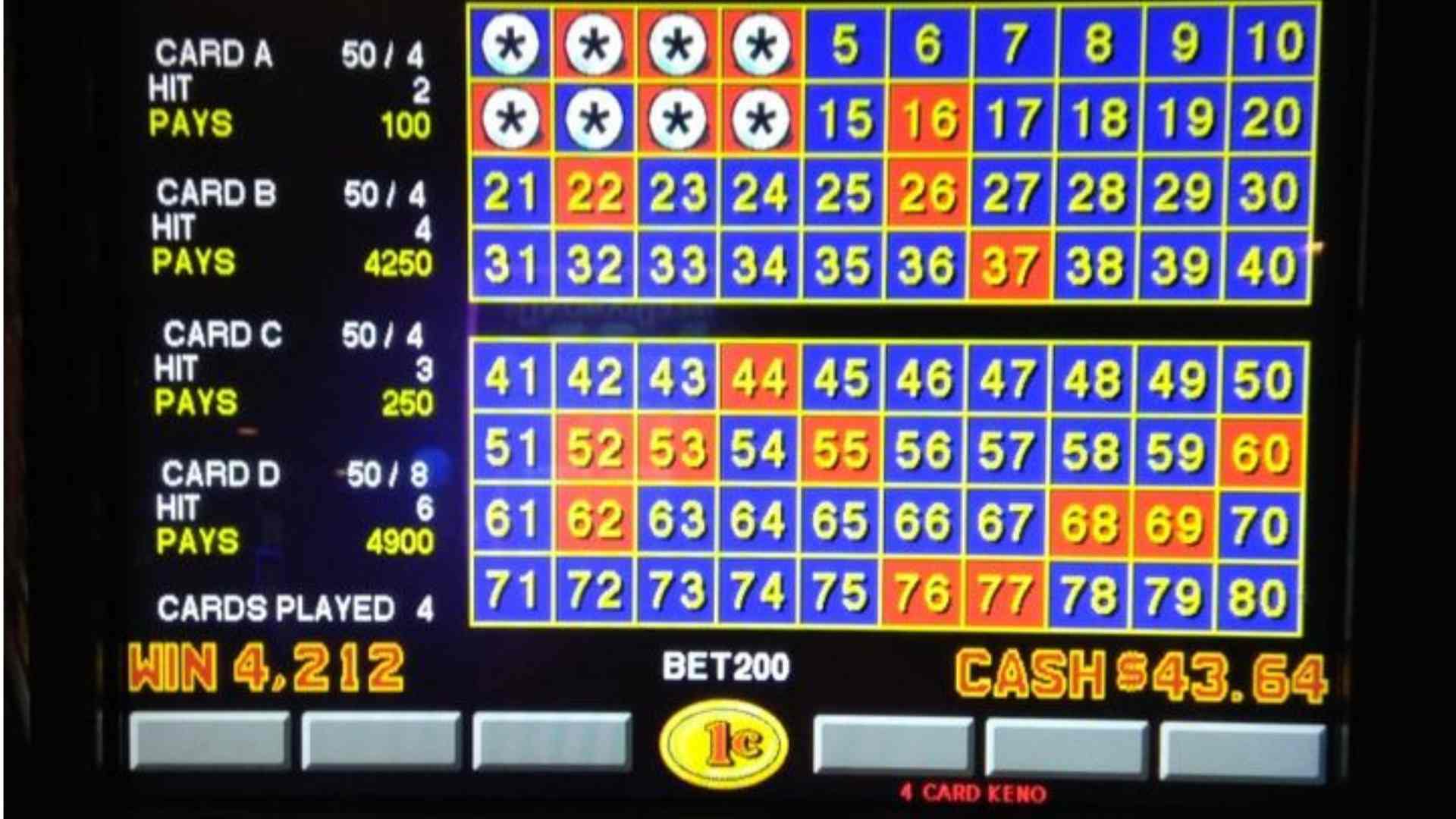
Acquiring commercial gaming real estate in Las Vegas represents one of the most significant investments in the global hospitality industry. From sprawling iconic resorts on the Strip to boutique off-Strip properties catering to local residents, the market offers diverse opportunities for institutional investors and private syndicates. Understanding the valuation dynamics, licensing requirements, and operational demands is crucial for anyone evaluating gaming assets listed for sale across Southern Nevada.
Key Drivers in the Las Vegas Commercial Real Estate Market
The demand for gaming properties in Nevada is fueled by strong tourism numbers, major sports events, and expanding convention facilities. Investors closely track metrics like revenue per available room and average daily rate alongside gaming wins when assessing market health. These economic indicators help buyers determine whether a property can deliver sustained yields over a multi-decade holding period.
Property valuations are heavily influenced by geographic location, physical infrastructure conditions, and existing zoning permits. Off-Strip gaming locations often focus on regional customer loyalty and steady food and beverage margins, whereas Boulevard resorts rely on high-volume foot traffic and entertainment offerings. Analyzing gaming trends across global platforms like m88 togel provides broader perspective on evolving consumer preferences in digital and physical betting spaces.
Navigating Nevada Gaming Commission Regulations
Purchasing a casino involves far more than executing a standard commercial real estate contract. Prospective owners must complete an exhaustive background investigation conducted by state regulatory authorities before obtaining an operational gaming license. This multi-step vetting process examines financial histories, corporate structures, and key personnel to ensure public trust and strict regulatory compliance.
Because licensing can take several months or even over a year, transactions often utilize structured acquisition agreements or leaseback arrangements. Institutional buyers frequently partner with established operating companies to streamline the regulatory transition and keep the resort open during ownership transfers. This legal complexity underscores the necessity of working with experienced gaming attorneys throughout the acquisition process.
Evaluating Infrastructure and Capital Improvement Needs
Many available casino properties require substantial capital investment to remain competitive against modern, fully integrated resort towers. Buyers must account for necessary renovations in hotel rooms, gaming floors, structural mechanical systems, and technological frameworks. A comprehensive physical audit helps investors calculate total project costs accurately before finalizing purchase agreements.
Modernization plans often center on converting underutilized square footage into immersive sportsbooks, flexible event venues, or experiential dining options. Upgrading energy efficiency and digital infrastructure also helps reduce ongoing operating expenses across large multi-acre parcels. Aligning capital improvement budgets with target demographic expectations ensures long-term asset value growth in a highly competitive market.
Strategic Investment Approaches for Buyers
Successful acquisitions require a clear operational strategy tailored to the property's specific market position and location advantages. Whether repositioning a heritage property or expanding an existing boutique brand, investors must balance debt financing risks with realistic revenue forecasts. Developing a disciplined investment thesis protects capital while capitalizing on Southern Nevada's steady economic expansion.